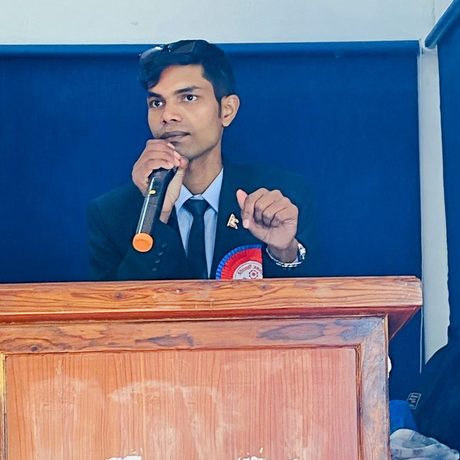
Prabesh Dahal founded Krip Artificial Intelligence Tech and runs it. He sets research direction, holds product scope and strategy, and signs the engagement documents. In a larger supplier that combination would be unusual. Here it means the person who decides what work we accept is the person you meet, and the name on the scope is the name on the call.
What the core team owns
The core team holds the research, technical, media and product functions. Each one owns its documents — the research record, the build and its tests, the published output — and two functions settle a shared decision between them instead of passing it upward. Small teams fail by escalation as often as by lack of skill, and an escalation habit is difficult to reverse once it sets.
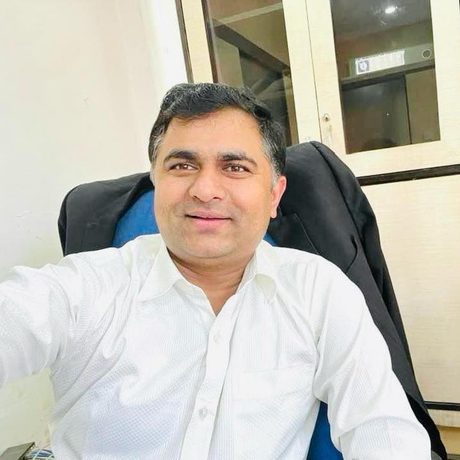
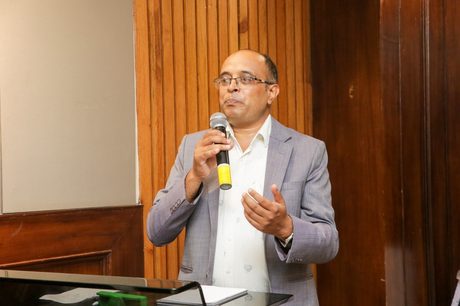
An advisory board sits outside that line. Its members advise on business, strategy and technical questions. They are not staff, hold no operational role, and cannot commit the company to anything. Advisers are listed separately from the team for that reason: a reader should be able to tell which names carry authority and which carry opinion.
For a buyer, the arrangement shortens the path between a question and an answer. Questions on price, timetable and scope reach the person who decides them. If a technical answer needs the engineer who will build the system, that engineer joins the call instead of being summarised by somebody who heard it second-hand.